
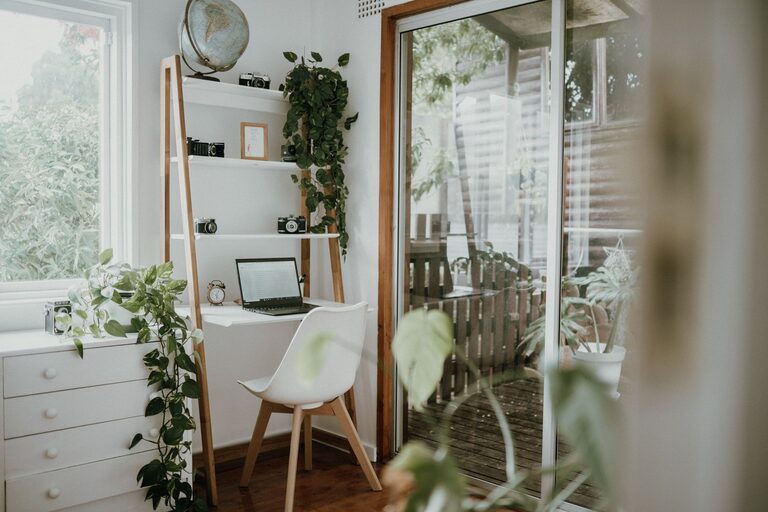
Creating a home office that feels both cozy and productive can greatly enhance your work-from-home experience. Whether you’re setting up a dedicated room or carving out a little nook in your living space, balancing comfort and efficiency is key to staying motivated and focused. Here are some helpful tips to design a home office space that feels inviting and helps you get your best work done.
Choose the Right Location
Selecting where to set up your home office is the first step. Ideally, pick a quiet area with minimal distractions. If possible, use a separate room to create physical boundaries between work and home life. If space is limited, a corner in a living room or bedroom can work well.
Look for a spot with good natural light. Sunlight can boost mood and energy, making you feel more alert and positive. Avoid placing your desk with your back to the door, as this can make you feel less secure. Instead, position yourself where you can see the entrance or have a pleasant view.
Invest in Ergonomic Furniture
Comfort is essential during long work hours. Invest in a quality ergonomic chair that supports your back and encourages good posture. Your desk should be at a height that allows your elbows to rest comfortably at a 90-degree angle when typing.
Consider a desk with enough surface area to hold your computer, notebooks, and any other essentials without feeling cluttered. Adjustable desks, including standing desk options, are great if you want to alternate between sitting and standing.
Optimize Lighting for Comfort and Focus
Good lighting can reduce eye strain and improve your overall mood. Combine natural light with soft, adjustable artificial lighting. A desk lamp with adjustable brightness and color temperature lets you customize your lighting based on the time of day and the task at hand.
Avoid harsh overhead fluorescent lights if possible. Warm-toned bulbs tend to create a cozier atmosphere that reduces stress and helps you relax during breaks.
Organize Your Workspace Efficiently
Clutter can be stressful and distracting. Use shelves, drawers, or filing cabinets to keep papers, supplies, and gadgets organized. Label storage containers and dedicate specific spots for commonly used items.
Desk organizers, cable management systems, and wireless charging stations help keep your workspace tidy and efficient. Minimal clutter also makes it easier to clean your area regularly, contributing to a fresher working environment.
Personalize Your Space
Add personal touches that inspire you but don’t overwhelm. This could include framed photos, a favorite piece of artwork, a plant, or meaningful decorative objects. Plants, in particular, can improve air quality and add a calming touch.
Use colors that help you stay focused yet relaxed. Soft or neutral tones with pops of your favorite colors can make the space warm and inviting without being distracting.
Incorporate Technology Thoughtfully
Ensure your tech setup supports your workflow smoothly. Invest in a reliable internet connection and a good-quality computer or laptop. Use accessories like an external monitor, keyboard, and mouse to improve comfort and productivity.
Noise-canceling headphones can help block out background noise if your home is busy or noisy. Also, consider using apps or tools to manage tasks and time effectively.
Create Zones for Different Activities
If your space allows, design different zones for specific tasks. For example, have a computer workstation for focused work, a reading nook with a comfortable chair, and a separate area for brainstorming or phone calls.
Having varied spaces encourages movement and flexibility throughout your day, preventing fatigue and increasing creativity.
Maintain a Routine and Take Breaks
A cozy and productive home office encourages healthy working habits. Set regular work hours and stick to them as much as possible. Stand up, stretch, and take short breaks to rest your eyes and mind.
You can use tools like timers or apps that remind you to take breaks and move. This balance helps you stay energized and avoid burnout.
Keep Air Quality Fresh and Ventilation Good
Good air circulation supports concentration and well-being. Open windows when possible or use an air purifier to maintain fresh air. Adding indoor plants also contributes to better air quality and a calmer atmosphere.
Final Thoughts
Designing a cozy and productive home office doesn’t require a large budget or professional help. By selecting the right location, investing in comfortable furniture, optimizing lighting, organizing your space, and personalizing it thoughtfully, you can create an environment that nourishes both comfort and efficiency. Remember that your home office is an extension of your work lifestyle, so make it a place where you enjoy spending time and can accomplish your best work.